
Digital Management Systems Modern Real Estate Firms Rely On
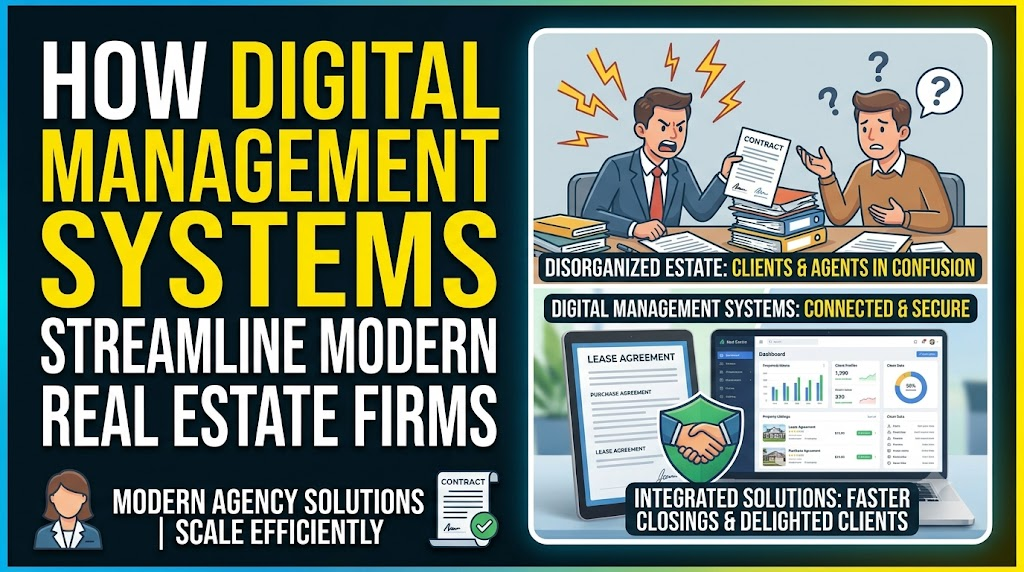
Real estate is an industry that has long been dominated by personal connections; however, modern property businesses need to rely on technology to help maintain those relationships. By utilizing the tools modern technology provides, one can consolidate and organize a variety of data concerning one’s business, whether it deals with clients, contracts, documents, meetings, and much more. Having this data in one place is essential for today’s property professional, especially since they have to juggle a number of clients and properties at the same time. For real estate agencies in Perth, adopting the right digital management tools can improve efficiency while creating a smoother experience for buyers, sellers, landlords and tenants.
Property Management Software
Property management platforms are one of the most effective tools in the modern real estate companies’ software arsenal. Such platforms allow for tracking and organizing data concerning properties, owners, tenants, leases, inspections, and maintenance. Through the property management platform, one can view reminders about inspections, renewals, rent payments, and maintenance. This eliminates the need for paper trails, Excel files, and constant email reminders.
For high-end property management companies that oversee hundreds of units, organizing this information becomes more challenging. A property management platform streamlines the process and reduces the number of necessary manual interventions. On the other hand, it allows one to see what tasks have been completed and which remain unfinished, thus helping avoid late payments and overdue bills.
Customer Relationship Management Systems
Client relationships lie at the heart of the real estate business, which makes customer relationship management, or CRM, software one more technological innovation that a real estate agent may find indispensable. A CRM system allows an agent to store a vast amount of information about prospective buyers, sellers, landlords and other parties involved in transactions. A customer’s preferences, communications, inquiries and follow-up actions can all be stored and retrieved by the agent or other staff members.
The automation of these reminders is an important feature, however, because it ensures that an agent will always contact prospects and make the necessary sales-related arrangements, regardless of his or her workload. A CRM can also help an agent organize leads, arranging them according to their level of sales readiness. This way, an agent who has too many transactions to keep track of will avoid losing potential clients due to his or her own oversight.
Document and Contract Management
Real estate transactions include a large amount of paperwork. Contracts, disclosure documents, inspection reports, tenancy agreements and correspondence need to be stored securely and accessed quickly when required. Digital document management systems offer repositories for these records, many of which also contain version control, permissions and search functionality, letting staff find the right document quickly.
The ability to electronically sign documents can also help speed up transactions, as opposed to printing, scanning and returning by post, documents that have already been approved can be filed electronically, shortening administrative processes and providing a more visible record of documentation that has been completed.
Accounting and Financial Management Platforms
Financial administration is another area where digital systems are transforming how real estate works. Systems to manage accounts can help enterprises to track income, expenditure, invoices, commissions and other financial data. For property management companies, specialised trust accounting functionality can be particularly critical. Such systems can help to record, track and manage transactions and ensure that proper financial records are maintained while cutting down the need for manual data entry.
The integration of accounting systems with other business platforms can also help to improve accuracy. By having information flow automatically between systems, employees waste less time entering the same data into different platforms.
Marketing and Listing Management Tools
Digital marketing platforms have become essential for attracting buyers, sellers, landlords and tenants. Real estate firms use specialised tools to manage property listings across websites, portals and social media channels.
Listing management systems can make it easier to update property descriptions, photographs, pricing and availability across multiple channels. This reduces the risk of inconsistent information appearing on different platforms. Analytics can provide another advantage. Teams can examine website traffic, enquiry volumes and campaign performance to determine which marketing activities generate the strongest results.
Final Remarks
Nowadays, digital management systems are an essential part of any real estate operation. They allow companies to collect and store information, automate some processes, improve communication, and increase overall efficiency of their work.
The key to being successful with technology and choosing the right systems is understanding what problems in the workflow need solutions the most. With the help of these systems, the agent will be able to complete mundane tasks in a much shorter time, thus having more energy and time to focus on the actual management of properties and people.


