
Why Green Tech is the Future of Residential Construction
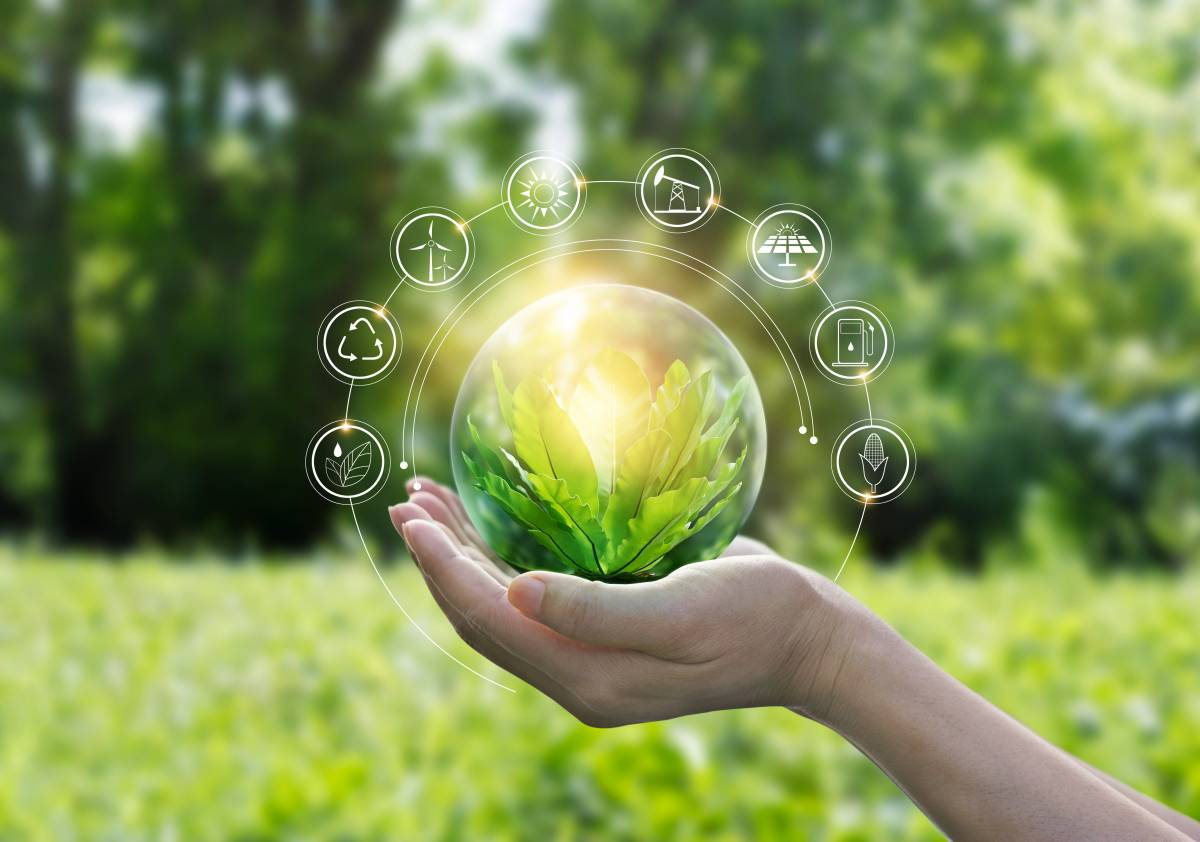
The residential construction industry is undergoing a remarkable transformation. As homeowners become more environmentally conscious and governments introduce stricter sustainability standards, green technology is emerging as a driving force behind modern housing development. Today’s buyers are no longer focused solely on aesthetics and square footage. They are looking for energy efficiency, lower utility costs, healthier living environments, and homes that minimise environmental impact. Green technology offers practical solutions that meet these expectations while helping builders create smarter, more resilient properties.
The Growing Demand for Sustainable Homes
Consumer preferences are changing rapidly. Modern homebuyers increasingly value sustainability when choosing a property. Rising energy costs and greater awareness of environmental issues have encouraged many households to seek homes that consume fewer resources and operate more efficiently.
Builders who embrace green technology can meet these demands while differentiating themselves in a competitive market. Sustainable features such as energy-efficient insulation, solar panels, water-saving systems, and smart home technologies provide tangible benefits that appeal to environmentally conscious buyers.
This shift is evident across numerous housing sectors, including large-scale developments and community-focused projects. Even initiatives such as defence housing Australia are increasingly incorporating sustainability principles to improve long-term efficiency and reduce operational costs.
Energy Efficiency Delivers Long-Term Savings
One of the strongest arguments for green technology in residential construction is its ability to reduce energy consumption. Traditional homes often waste significant amounts of energy through poor insulation, outdated heating systems, and inefficient appliances.
Green homes are designed to optimise energy use from the outset. Advanced insulation materials, double-glazed windows, energy-efficient lighting, and smart climate control systems help homeowners reduce monthly utility bills. Over time, these savings can offset the initial investment in sustainable building technologies.
For developers and builders, promoting lower operating costs creates a compelling selling point that resonates with budget-conscious buyers. The financial benefits make green technology attractive not only from an environmental perspective but also from an economic one.
Smart Technology Enhances Sustainability
The rise of smart home technology has accelerated the adoption of sustainable construction practices. Modern systems allow homeowners to monitor and manage energy usage with unprecedented precision.
Smart thermostats automatically adjust temperatures based on occupancy patterns. Intelligent lighting systems reduce unnecessary electricity consumption. Advanced energy monitoring platforms provide real-time insights that help residents make informed decisions about resource use.
These technologies work together to create homes that are more efficient, comfortable, and responsive to changing household needs. As smart technology becomes more affordable and accessible, its integration into residential construction will continue to expand.
Renewable Energy Is Becoming Mainstream
Renewable energy systems are no longer considered luxury additions. Solar power, battery storage solutions, and energy-efficient heat pumps are becoming standard features in many new residential developments.
Solar panels allow homeowners to generate their own electricity, reducing dependence on traditional energy grids. Battery storage systems further enhance energy independence by storing excess power for later use. Combined with energy-efficient building design, these technologies can significantly reduce a home’s carbon footprint.
As renewable energy technology continues to improve and installation costs decline, more builders are incorporating these systems into new projects. This trend is expected to play a major role in shaping future housing developments.
Healthier Living Environments for Residents
Green technology contributes to healthier indoor environments by improving air quality and reducing exposure to harmful materials. Sustainable construction often prioritizes low-emission paints, non-toxic building materials, and advanced ventilation systems.
These features help reduce indoor pollutants, allergens, and moisture-related issues. As a result, residents benefit from cleaner air and improved overall comfort. In an era where health and wellness are increasingly important considerations, these advantages add significant value to sustainable homes.
Environmental Responsibility Drives Industry Innovation
The construction sector has historically been a major contributor to carbon emissions and resource consumption. Green technology offers an opportunity to address these challenges while supporting broader environmental goals.
Sustainable building practices encourage the responsible use of materials, reduce construction waste, and promote energy conservation. Innovations such as recycled building products, prefabricated construction methods, and water-efficient infrastructure are helping reduce the environmental impact of residential development.
As governments implement stricter environmental regulations and sustainability targets, builders who invest in green technology will be better positioned to adapt and thrive.
Final Remarks
Green technology is reshaping residential construction by delivering energy efficiency, cost savings, healthier living conditions, and environmental benefits. Homebuyers increasingly expect sustainable features, and builders are responding with innovative solutions that improve both property performance and long-term value. As renewable energy, smart home systems, and eco-friendly construction methods continue to evolve, green technology will become an essential component of residential development.


