
How Virtual Reality is Changing the Way We Experience Live Events
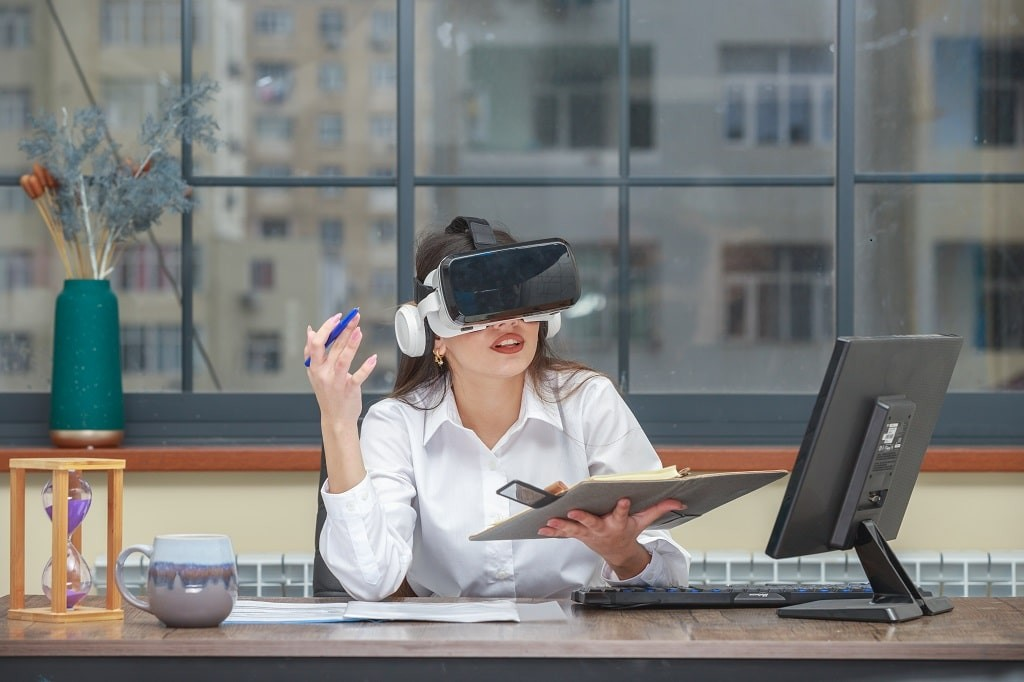
Live events have always been about presence. Whether it is a concert, trade show, conference, product launch, or cultural performance, people attend because they want to feel part of something happening in real time. The energy of a crowd, the atmosphere of a venue, and the sense of shared attention are all part of what makes live events memorable.
Virtual reality is now changing that experience. It does not replace the value of being physically present, but it adds new ways for people to participate, explore, and connect. As technology becomes more accessible, event organisers are using virtual reality to create experiences that are more immersive, flexible, and interactive than traditional formats alone.
Live Events Feel More Engaging
Inside virtual reality, presence shifts completely. Distance fades when users step into an event as if standing at its center. Close-up views emerge – not by moving seats but through digital space bending near. Being onstage feels possible because boundaries blur between observer and scene. Showrooms unfold around people rather than stretch before them. Branded moments surround like weather, felt from every angle.
Looking around pulls viewers into what they see, making them part of it instead of just watching. With so many distractions now, holding someone’s focus has become a real challenge. Moving through scenes or touching parts keeps the mind active rather than passive. Moments stick better when hands reach out, or eyes explore freely on their own.
More People Can Join From More Places
Only being there stops most folks from joining live happenings – distance, flights, schedules, and room size get in the way. Going across borders? High costs? Tough transit routes? These often block access completely. Step inside VR, though, and a piece of the gathering comes to you, no passport needed.
Some folks miss live shows because they cannot travel. Yet going full digital isn’t always right. Organisers might try something different – using VR to include distant fans without replacing real-world moments. The crowd feels closer, even when far apart.
Hybrid Events Growing More Complex
Some folks still think hybrid gatherings are fresh ideas – yet the real shift comes from how they now feel. Instead of just staring at screens, people step into spaces that act like real places. Picture moving around online halls where chats pop up naturally, much like bumping into someone by chance. Watching talks turns into stepping inside them, almost as if standing beside the speaker. Digital booths let hands reach out – not really – to touch what used to sit behind glass.
One step beyond streaming – hybrid moments thrive on involvement. Picture remote guests actually shaping what happens, not just watching. That shift turns passive clicks into real presence. Organisers see deeper connections bloom when distance fades. Brands find new ground where every participant matters equally.
Trade Shows Now Focus on Interaction
Busy halls filled with quick-moving guests challenge exhibitors to catch eyes and hold interest. Since these events thrive on moments of connection and seeing things up close, virtual reality fits naturally into the mix. A sudden shift in experience draws crowds – something immersive does that well. Instead of blending in, booths using VR offer something different enough to slow footsteps. Time spent matters most when choices feel overwhelming. Moments stretch longer inside a headset than beside a standard banner.
Imagine walking into a room where screens glow beside real objects, not instead of them. Companies can use exhibition display stands as the physical base of the booth, while VR adds another layer of interaction. Visitors might look at brochures, touch product samples, and then step into a virtual demo through a headset. Instead of replacing the real setup, VR makes the display feel more active and memorable.
Brands Find Different Ways to Share Stories
Stories come alive at live events. Sometimes a business rolls out something new, walks through how it works, shares a message, or builds a moment that sticks. With virtual reality, viewers do not just watch – they stand inside the experience. This shift lets companies guide attention in ways flat screens cannot match.
Inside VR, stories unfold around the person rather than being told at them. Picture stepping into a space where a product reveals itself by how you interact with it. Movement replaces narration when exploring faraway places through simulated environments. Memory holds onto what feels lived, not just seen. Personal connection grows stronger when presence matters.
Audiences Want Deeper Connection
Every day, people tap into screens just like breathing. Apps hum along beside coffee breaks, games keep thumbs busy on trains. Online helpers shape what they see, making things fit like old jeans. So when lights dim at an event, eyes don’t just watch – they reach out. A quiet seat won’t do anymore. Hands itch to pick paths, shift outcomes, grab bits worth sending to a friend later. Moments must stick, not slip away.
Out there beyond screens, virtual reality turns gatherings into something you do, not just watch. Moving around inside a game, walking through a digital space, trying out real-life situations – all of it pulls attendees in. Instead of standing back, they step forward. Moments feel closer when hands-on moments replace quiet observation.
Virtual Reality Helps With Learning And Practice
Reality inside a computer world does more than just entertain. Learning gets a boost when people step into these digital spaces. During meetings, gatherings, or company functions, training happens through lifelike scenarios built in VR. Safety drills come alive without real danger unfolding around participants. Doctors sharpen their skills by practicing procedures in simulated clinics. Workers master complex tools using virtual versions before touching actual equipment. Customers explore products by interacting with them in made-up environments that feel surprisingly real.
Event data can become more useful
Most folks running online events now track who clicks what, seeing where eyes go. Instead of guessing, virtual setups show exactly where visitors pause or skip. A moment here, a glance there – patterns emerge without asking anyone. Picture spaces lighting up based on crowd movement, revealing hidden preferences. With that data, next time feels less like a trial, more like tuning an instrument already humming. What sticks becomes clear only after it’s lived through once.
A New Way to Experience Live Moments
Out there, virtual reality pulls people into live shows like never before. Not only does it open fresh paths for viewers to connect with what’s happening, but it also hands companies a different way to share their message. Moments stick better when organizers can shape experiences beyond physical limits. Here’s how tech bends space and time – making front row seats feel close, even from far away.


