The Future of Content: Creating Videos with AI from Text
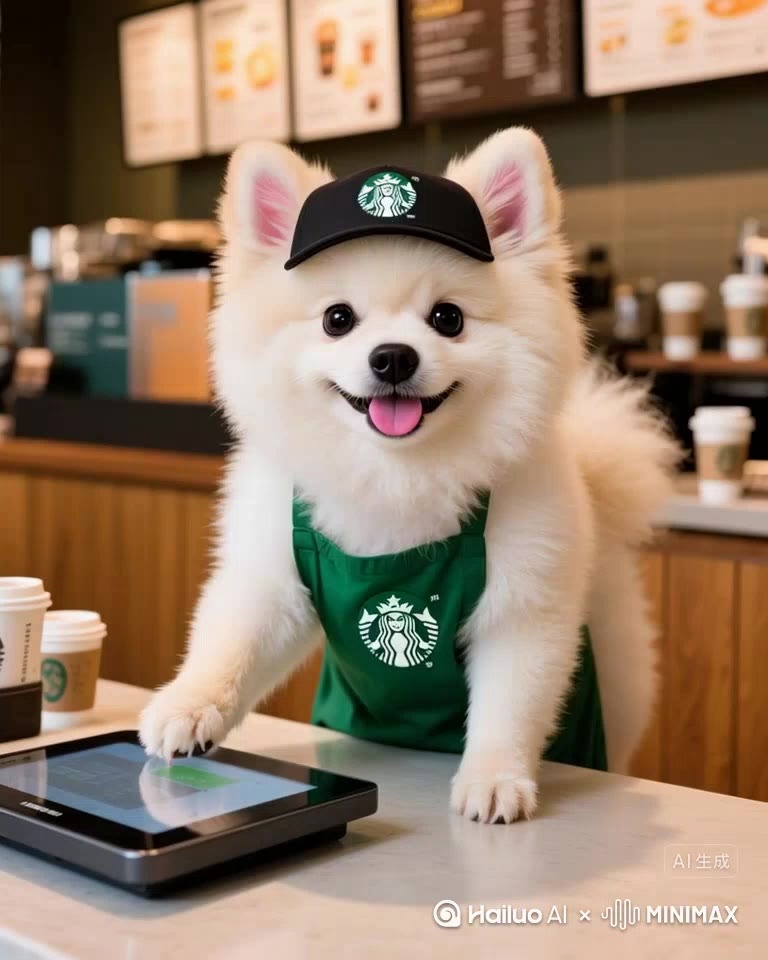
Video content dominates today’s digital world. Social media platforms prioritize it, audiences crave it, and brands need it to stay competitive. Yet creating professional videos remains a significant challenge for most content creators. Traditional production demands expensive equipment, technical expertise, and countless hours of filming and editing. Enter Text to Video AI—a groundbreaking technology that’s reshaping how we approach video creation. This innovative solution transforms simple written prompts into fully realized videos within minutes, eliminating traditional barriers that have long kept quality video production out of reach for many creators. As the demand for fresh, engaging content accelerates across platforms like TikTok, Instagram, and YouTube, content creators are discovering that AI video generators offer both the speed and creative innovation they desperately need. This technology isn’t just a convenience—it’s becoming essential for creators who want to maintain consistent output while exploring new creative possibilities without the traditional resource investment.
What is Text to Video AI and How Does It Work?
Text to Video AI represents a new category of artificial intelligence tools that automatically converts written descriptions into visual video content. Unlike traditional video editing software that requires you to manually arrange clips, add effects, and synchronize audio, AI video generators handle the entire creative process from a simple text input. At its core, this technology relies on two powerful AI systems working together: natural language processing (NLP) and generative AI models. The NLP component reads and interprets your written prompt—whether that’s a detailed script, a brief scene description, or even just a conceptual idea—understanding the context, mood, and visual elements you’re requesting. The generative AI then creates the actual video content, drawing from vast databases of visual patterns it has learned during training to produce relevant scenes, animations, character movements, and transitions. When you input something like “a sunrise over mountains with calm music,” the system doesn’t just search for stock footage—it understands the elements and can generate or select appropriate visuals, apply suitable color grading, add motion effects, and even synthesize a matching voiceover if requested. The workflow is remarkably straightforward: you write your prompt, select style preferences, click generate, and within minutes receive a complete video draft. This fundamentally differs from conventional editing tools where you’re assembling pre-existing assets; here, the AI actively creates content tailored to your specific description, democratizing video production for anyone who can write.
Why Content Creators Are Turning to AI Video Generators
Content creators face relentless pressure to publish fresh videos consistently across multiple platforms. Traditional production cycles that span days or weeks simply don’t align with the rapid content consumption patterns on TikTok, Instagram Reels, and YouTube Shorts. AI video generators directly address this challenge by compressing what once took hours of filming and editing into mere minutes of work. A creator can now produce a week’s worth of social content in a single afternoon, maintaining audience engagement without burnout. Beyond speed, these tools demolish financial barriers—no camera equipment purchases, no studio rentals, no hiring editors or animators. For solo creators and small teams operating on tight budgets, this cost-effectiveness opens possibilities previously reserved for well-funded production houses. The technology also encourages creative experimentation that would be prohibitively expensive otherwise. Want to test ten different visual styles for your brand? AI lets you generate multiple versions instantly without additional cost or effort. Perhaps most liberating is how these tools eliminate skill barriers. Creators with compelling ideas but no technical training can now produce polished videos without mastering complex editing software or cinematography principles. This democratization means your creative vision, not your technical limitations, determines your content quality.

Step-by-Step Guide: How to Create Videos from Text Using AI
Step 1: Defining Your Goal and Scripting
Before launching any AI tool, clarify your video’s purpose and audience. Are you creating a product showcase, a tutorial, or entertainment content? This determines your script’s tone and structure. Write your prompt with visual specificity—instead of “happy scene,” describe “a person laughing in a sunlit park with autumn leaves falling.” Include style keywords like “cinematic,” “animated,” or “minimalist” to guide the AI’s aesthetic choices. Break longer concepts into distinct scenes with clear transitions, as AI processes structured information more effectively than vague narratives.
Step 2: Choosing the Right AI Video Creation Software
Select your platform based on output requirements and creative control. Evaluate whether you need realistic footage, animation styles, or avatar-based presentations. Consider customization depth—some tools offer extensive editing interfaces while others prioritize simplicity with limited adjustments. Check available stock asset libraries for music, effects, and supplementary footage that complement AI-generated content. Platforms like HailuoAI and similar services offer varying approaches to text-to-video generation, with different strengths in scene interpretation and visual quality. Assess pricing models against your production volume; subscription plans suit regular creators while pay-per-video works for occasional use. Test free trials to compare generation quality and workflow intuitiveness before committing.
Step 3: Input, Generation, and Customization
Enter your refined script into the platform’s prompt field, selecting preferred video dimensions and duration. Most tools generate an initial draft within two to five minutes. Review the output critically—AI might misinterpret certain phrases or create unexpected transitions. Use built-in editors to trim clips, reorder sequences, or regenerate specific segments that missed the mark. Layer your brand elements by uploading logos, choosing brand-compliant color schemes, and replacing default music with tracks matching your identity. Adjust AI-generated voiceovers for pacing or record custom narration for authenticity. Preview multiple times, refining until the video aligns with your creative vision and platform specifications.

Top Use Cases for AI-Generated Video Content
Social media shorts represent perhaps the most impactful application of AI video generation. Platforms like TikTok, Instagram Reels, and YouTube Shorts demand constant fresh content in vertical formats, and AI tools excel at producing these bite-sized videos rapidly. A creator can transform trending topics or daily observations into polished 15-60 second clips within minutes, maintaining the posting frequency algorithms reward. Explainer videos for products or services benefit enormously from this technology—businesses can generate clear, engaging demonstrations without coordinating shoots or hiring animators, making complex concepts accessible through visual storytelling. Marketing teams are embedding personalized AI-generated videos directly into email campaigns, creating customized messages that address individual customer segments with relevant visuals, dramatically improving engagement rates compared to static images. Content marketers repurpose written blog posts into video summaries, extending reach to audiences who prefer watching over reading while maximizing content investment across formats. Educational institutions and corporate training departments leverage AI video creation to produce instructional materials quickly, transforming lesson plans and procedures into visual guides that improve knowledge retention. Each application shares a common thread: the ability to produce engaging visual content at speeds matching modern content consumption patterns, allowing creators to experiment with multiple approaches, test audience reactions, and iterate without the traditional time and cost penalties that once made such agility impossible.
Navigating the Limitations and Best Practices
While Text to Video AI offers remarkable capabilities, understanding its current limitations helps creators use it more effectively. AI-generated videos sometimes produce visual inconsistencies—characters might shift appearance between scenes, or objects may display unnatural physics that break immersion. Complex narratives with multiple interacting characters or intricate plot developments often confuse current models, which excel more at straightforward scenes and concepts. Many outputs carry a distinctive “AI aesthetic” that audiences increasingly recognize, potentially undermining authenticity if overused without customization. To maximize results, treat AI as a collaborative partner rather than a complete solution. Practice iterative prompting—if the first generation misses your vision, refine your description with more specific details or different style keywords rather than settling for mediocre output. Use AI-generated content as your foundation or first draft, then enhance it with human editing to correct inconsistencies and align perfectly with your brand voice. Combine AI assets strategically with stock footage, custom recordings, or graphics to create hybrid videos that feel less algorithmic. Most critically, infuse every project with human creative direction—your unique perspective, brand personality, and emotional intelligence remain irreplaceable elements that transform generic AI output into content that genuinely resonates with audiences and builds authentic connections.
Embracing AI-Powered Video Creation for Content Success
Text to Video AI represents a fundamental shift in how content creators approach video production, directly addressing the twin demands for speed and creative innovation that define modern digital content. What once required days of planning, filming, and editing now happens in minutes, enabling creators to maintain the relentless publishing pace that algorithms and audiences expect. This technology doesn’t just accelerate existing workflows—it opens entirely new creative possibilities, allowing experimentation with visual styles, formats, and concepts that would be financially or technically prohibitive using traditional methods. Yet the true power of AI video generation emerges when we view it not as a replacement for human creativity but as an amplification tool. The most compelling content still requires your unique perspective, brand voice, and emotional intelligence to transform AI-generated drafts into videos that genuinely connect with audiences. As these tools continue evolving, early adopters gain competitive advantages by mastering how to guide AI toward their creative vision while maintaining the authentic human touch that builds lasting audience relationships. The barrier to professional video content has never been lower. Whether you’re a solo creator, small business, or marketing team, now is the moment to explore how Text to Video AI can expand your creative capacity and help you meet the insatiable demand for engaging video content across every platform.


